


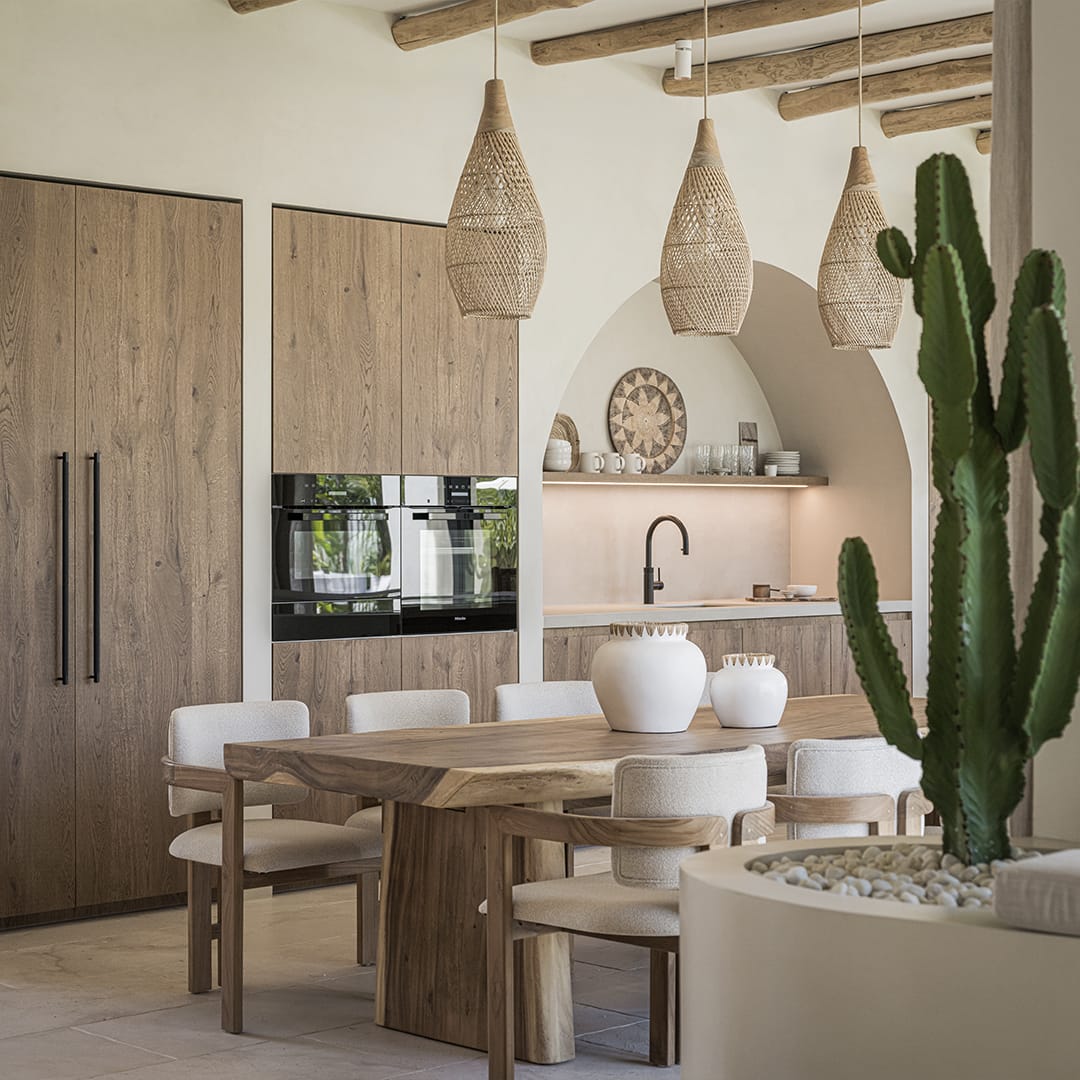
Proportions play an essential role in how a space feels and flows
Choosing furniture online or in-store starts with understanding your available space. Taking accurate measurements is key to ensuring each piece fits naturally
within the room while maintaining both comfort and functionality.
Here are a series of practical tips to help you measure your space correctly and choose furniture that feel natural, practical, and visually harmonious.
A well-designed space is not only about aesthetics it’s about balance, comfort, and functionality.
What you will need
Measuring tape
Notebook or phone notes
Painter’s tape
Floor plan (optional)
Standard Furniture Measurements
Width
Depth
Height
Seat height
Clearance space
Practical Tips
Measure twice
Note ceiling height
Include doors, windows, radiators, sockets
Thinkg about circulation
Measure staircases/elevators if necessary

How to choose the right sofa size
Comfortable circulation
Leave approximately 70–90 cm around sofas to ensure comfortable movement and balanced circulation throughout the room.
Consider how the sofa will be delivered and moved into its final position, including doors, hallways, staircases, and turning areas.
Take into account the height of surrounding furniture as well as the depth of the sofa. Make sure the piece feels comfortable for everyday use without overwhelming the space or interfering with the overall layout.
Modular flexibility: Modular sofas allow you to adapt the layout to different room sizes, lifestyles, and evolving needs.
Removable covers: Sofas with removable covers require additional surrounding space to comfortably remove and replace the fabric covers during maintenance and cleaning.
Chaise longue orientation
When choosing a chaise longue sofa, decide whether the chaise should be on the left or right side by viewing the sofa from the front. The orientation will directly impact circulation, available space, and the overall room layout.
Sofa Configurations by Room Size
For compact living spaces, a 2-seater sofa is often the most balanced option. Medium-sized living rooms work well with a 3-seater or compact chaise longue, while larger layouts can accommodate modular or corner sofas to create a more defined seating area.
Visualise the layout
Mark the sofa dimensions on the floor using masking tape before purchasing to better understand how the piece will fit within the room and how much space it will occupy in relation to circulation areas, existing furniture, and elements such as doors or windows.

Armchairs & Lounge Chairs
Available space: measure the area where the armchair or lounge chair will be placed, ensuring it does not obstruct walkways, doors, or surrounding furniture.
Size & proportions: choose a chair size that feels balanced within the room and complements the overall layout without overwhelming the space.
Height & depth: consider the backrest height to ensure adequate comfort and support, especially for extended seating. The seat depth should provide adequate support for everyday use and relaxation while maintaining balanced proportions within the space.

Coffee Tables
Spacing: Keep approximately 30–50 cm between the sofa and coffee table to maintain comfortable circulation and functionality within the seating area.
Proportions: choose a coffee table that feels proportional to both the sofa and the overall size of the room. As a general rule, the table height should be similar to the sofa seat height.
Shape & layout: round coffee tables work especially well in compact living rooms, while rectangular or square designs are better suited to larger layouts. In spacious living areas, combining two or three coffee tables at different heights can create a more dynamic and flexible composition.

Choosing the right dining table size
Available space: measure the dining area carefully and leave enough space around the table to ensure comfortable circulation and chair movement. As a general rule, allow at least 90 cm between the table and surrounding walls or furniture. Ensure there is enough space to comfortably pull chairs in and out without obstructing circulation around the dining area.
Choosing the table shape: Consider the proportions of your room when selecting a dining table. Rectangular dining tables generally work best in longer or narrower spaces, while round dining tables are often better suited to square rooms, helping to improve circulation and create a more sociable dining setting.
Seating capacity: Allow approximately 70 cm of width per person on rectangular dining tables to ensure comfortable seating and circulation. As a general guide, a 180 cm rectangular table comfortably seats 4 people, a 200 cm table can accommodate up to 6 people with compact dining chairs, and a 250 cm table comfortably seats 6 people with generous spacing. For round dining tables, calculate around 90 cm of table diameter per person. A 120 cm round table typically seats 4 people, while tables of 140 cm diameter and above can comfortably accommodate 5–6 people or more, depending on chair size and layout.

Choosing the right dining chairs
- Chair proportions: choose dining chairs that feel proportional to both the table and the surrounding space. Oversized chairs can overwhelm compact dining areas and reduce comfortable circulation.
- Spacing & circulation: leave enough space between chairs to ensure comfortable seating and movement around the table, especially in frequently used dining areas.
- Seat Height: The standard seat height for dining chairs is typically between 45–48 cm, allowing comfortable seating with most dining tables. Ideally, there should be approximately 25–30 cm between the seat and the underside of the tabletop for comfortable legroom and everyday use.
- Armchairs vs side chairs: Dining chairs with armrests provide additional comfort but require more space. In compact dining rooms, side chairs without armrests may create a lighter and more flexible layout.
- Seating capacity may vary depending on the width of the dining chairs and the amount of personal space desired between guests.
- Visualize the layout: Before purchasing, mark the table and chair dimensions on the floor to better understand the proportions, circulation, and overall balance of the dining area.


Beds
Bed proportions: choose a bed size that feels balanced within the room while allowing comfortable circulation around the space. Avoid oversized beds in compact bedrooms, as they can limit movement and make the room feel visually crowded.
Circulation space: leave at least 60-90 cm of free space around accessible sides of the bed to ensure comfortable everyday movement and functionality.
If choosing a storage bed with an ottoman or lift-up base, ensure there is enough surrounding space to comfortably open and access the storage compartment without obstruction.
Bed placement: consider the location of windows, sockets, radiators, and other architectural elements before deciding on the bed layout to maintain both functionality and visual balance within the room.
Visualise the layout: before purchasing, mark the bed dimensions on the floor using masking tape to better understand how the piece will fit within the room and interact with doors, windows, wardrobes, and surrounding furniture.

Headboards
Headboard width: measure the width of the bed to ensure the headboard feels properly proportioned. Ideally, the headboard should match the width of the mattress or extend no more than approximately 10 cm beyond it on each side. Keep in mind that bedding and duvets can make the bed appear visually wider.
Headboard height: consider the ceiling height and overall room proportions when choosing a headboard. Taller headboards can create a stronger visual statement, while lower designs often feel lighter and more suitable for compact bedrooms.
Before installing the headboard, check the position of nearby sockets, switches, shelves, and bedside tables to ensure comfortable access and avoid obstructing functional elements around the bed.
Wall proportions: the headboard should feel visually balanced with both the bed size and the width of the wall behind it to maintain a harmonious and cohesive layout.

Bedside tables
Available space: measure the area beside the bed where the bedside table will be placed, ensuring there is enough space to move comfortably and access the table easily. In compact bedrooms, consider smaller bedside tables, including stool-style designs, floating models, or round shapes, to optimise the available space while maintaining a lighter and more balanced layout.
Check that drawers or shelves can open comfortably without interfering with the bed, sockets, lighting fixtures, or surrounding furniture.
Height alignment: ideally, bedside tables should sit at a similar height to the top of the mattress for everyday comfort and functionality. This allows easier access to objects placed on the table without needing to stretch or lean excessively.
Proportions: choose bedside tables that feel proportional to both the bed size and the overall scale of the bedroom. Compact spaces often benefit from lighter or smaller bedside table designs to maintain visual balance.
Other furniture pieces
TV Stands & Media Units
Ensure the TV stand feels proportional to both the television size and the surrounding furniture layout. Leave enough clearance for cables, sockets, and comfortable circulation around the piece. Make sure the furniture height allows comfortable TV viewing from the main seating area.
Stools & Benches
Choose stools and benches that feel visually balanced within the space while maintaining comfortable movement around them. As a general rule, the seat height should be approximately 40–45 cm for comfortable everyday seating. In compact areas, lighter or open-base designs can help create a less crowded and more open layout.
Dressers, Consoles & Sideboards
Consider both storage needs and circulation space when selecting larger storage pieces. Make sure drawers and doors can open comfortably without interfering with nearby furniture or walkways, especially when fully opened.
Depth: ensure the piece also has enough depth to meet your storage needs without protruding excessively into the room.
Shelves
When choosing shelving, consider both the wall dimensions and ceiling height to maintain balanced proportions within the space. Measure the wall carefully to ensure the shelving unit fits comfortably and leaves enough surrounding space for circulation.
If you are looking for a floating shelving unit, verify that the selected model is designed as such, as not all shelving units allow this type of installation. For wall-fixed shelving, ensure the wall can properly support both the shelving unit and the objects placed on it.
Decor essentials

Artwork
Hanging height
As a general rule, artwork should be positioned at eye level (approximately 150–160 cm from the floor to the centre of the piece) and visually aligned with nearby furniture for a more balanced composition. Ensure the artwork feels centred on the wall and leaves enough surrounding space to avoid a crowded layout.
When placing artwork above furniture such as sofas, sideboards, or TV stands, the composition should feel visually connected to the piece below rather than floating too high above it.
If hanging multiple artworks together, maintain consistent alignment and spacing between each piece to create a cohesive gallery-style arrangement.
Decorative wall baskets
Decorative wall baskets work especially well as grouped compositions. Combine different sizes and patterns while maintaining balanced spacing between each piece to create an organic yet harmonious arrangement. Before fixing them to the wall, lay out the composition on the floor first to visualise the final placement and overall proportions.

Rugs
Rug proportions
Choose a rug size that feels proportional to both the furniture layout and the size of the room. Rugs that are too small can make the space feel visually disconnected. As a general rule, leave at least 30–40 cm of visible floor space around the rug to prevent the layout from feeling visually crowded.
Placement
In living rooms and bedrooms, rugs should ideally sit partially beneath the main furniture pieces to help define the seating or sleeping area and create a more cohesive layout.

Mirrors
Size & proportions: choose mirrors that feel proportional to both the wall and the surrounding furniture. Oversized mirrors can become a strong decorative feature, while smaller mirrors work best as part of a balanced composition.
Placement:
Position mirrors carefully to enhance natural light, reflect views, and visually expand the space. In smaller rooms, mirrors can help create a greater sense of openness and brightness.
When placing a mirror above furniture such as a console, sideboard, or fireplace, ensure it feels visually centred and proportionate to the piece below.
Hanging height: as a general rule, mirrors should be positioned at eye level while maintaining enough surrounding space to create a balanced and harmonious layout.
Reflection: before placing a mirror, consider what it will reflect. Natural light, textures, and open areas can enhance the atmosphere of the room, while visually cluttered reflections may create a less balanced feeling.

Choosing the right lighting
A balanced interior combines different types of lighting, including ambient, task, and decorative lighting. Layering multiple light sources helps create a warmer, more functional, and inviting atmosphere throughout the room.
Colour temperature: for a calm and welcoming feel, choose warm lighting temperatures between approximately 2700K and 3000K, especially in living rooms and bedrooms.
Ceiling Lights
Choose ceiling lights that feel proportional to both the room size and the furniture below them. In dining areas, pendant lights should be visually centred above the table to create a balanced composition.
Hanging height: when placing pendant lights above dining tables or kitchen islands, leave approximately 75–90 cm between the bottom of the lamp and the tabletop to ensure comfortable lighting and visibility.
Floor & Table Lamps
Balance & functionality: floor and table lamps should complement the surrounding furniture without obstructing circulation or overwhelming the layout. Consider both decorative impact and practical lighting needs within the space.
Height considerations: ensure the light source sits at a comfortable height for the intended use, especially in reading corners, beside sofas, or next to beds.
Wall Lamps
Placement & functionality: wall lamps should provide functional lighting without obstructing movement or overwhelming the wall composition. They work especially well beside beds, reading corners, hallways, or as ambient lighting in living spaces.
Layout & Proportion General Considerations
Creating a harmonious interior is often about balance, proportion, and thoughtful spacing. Considering how furniture, lighting, and materials interact within a room helps create spaces that feel both functional and visually calm.
Proportions and spacing
Choose furniture and decorative elements that feel proportional to the size of the room. Oversized pieces can overwhelm smaller spaces, while furniture that is too small may leave the room feeling visually disconnected.
For larger pieces such as dining tables, sofas, or beds, we recommend marking the dimensions on the floor before purchasing. This helps you better visualise the layout, interact with the surrounding space, and ensure comfortable circulation throughout the room.
Natural circulation
Allow enough space to move comfortably throughout the room. Well-planned layouts help maintain an open and effortless flow between furniture pieces, walkways, drawers, and doors.
Maintaining clear circulation areas is essential for both comfort and functionality. Consider how furniture interacts with the surrounding space and ensure there is enough room for doors, cabinets, and drawers to open comfortably without interrupting the natural flow of the room.
Rug Placement
Rugs help define different areas within a space and create a more cohesive composition. In living rooms and bedrooms, rugs should ideally sit partially beneath the main furniture pieces to visually anchor the layout.
Layered Lighting
A balanced interior combines different types of lighting, including ambient, task, and decorative lighting. Thoughtful lighting placement helps create warmth, depth, and atmosphere throughout the space.
Visual Balance & Texture
Combining different heights, materials, textures, and shapes helps create interiors that feel layered and inviting. Mixing upholstered pieces with natural materials and softer decorative elements adds warmth and visual harmony.
Final checklist
Before choosing your furniture, make sure you have considered:
- Room dimensions and ceiling height
- Circulation and walkway space
- Furniture proportions relative to the room
- Rug sizing and placement
- Lighting scale and positioning
- Seating capacity and functionality
- Doorways, staircases, and access measurements for delivery
- Balance between aesthetics and everyday comfort
- Whether the furniture and/or its packaging can comfortably pass through doors, hallways, staircases, and access points to reach its final position
- Using tape markings or simple floor layouts to better visualise proportions, spacing, and overall room composition before making a decision

